Miniaturized & Screen-Printed Electrodes
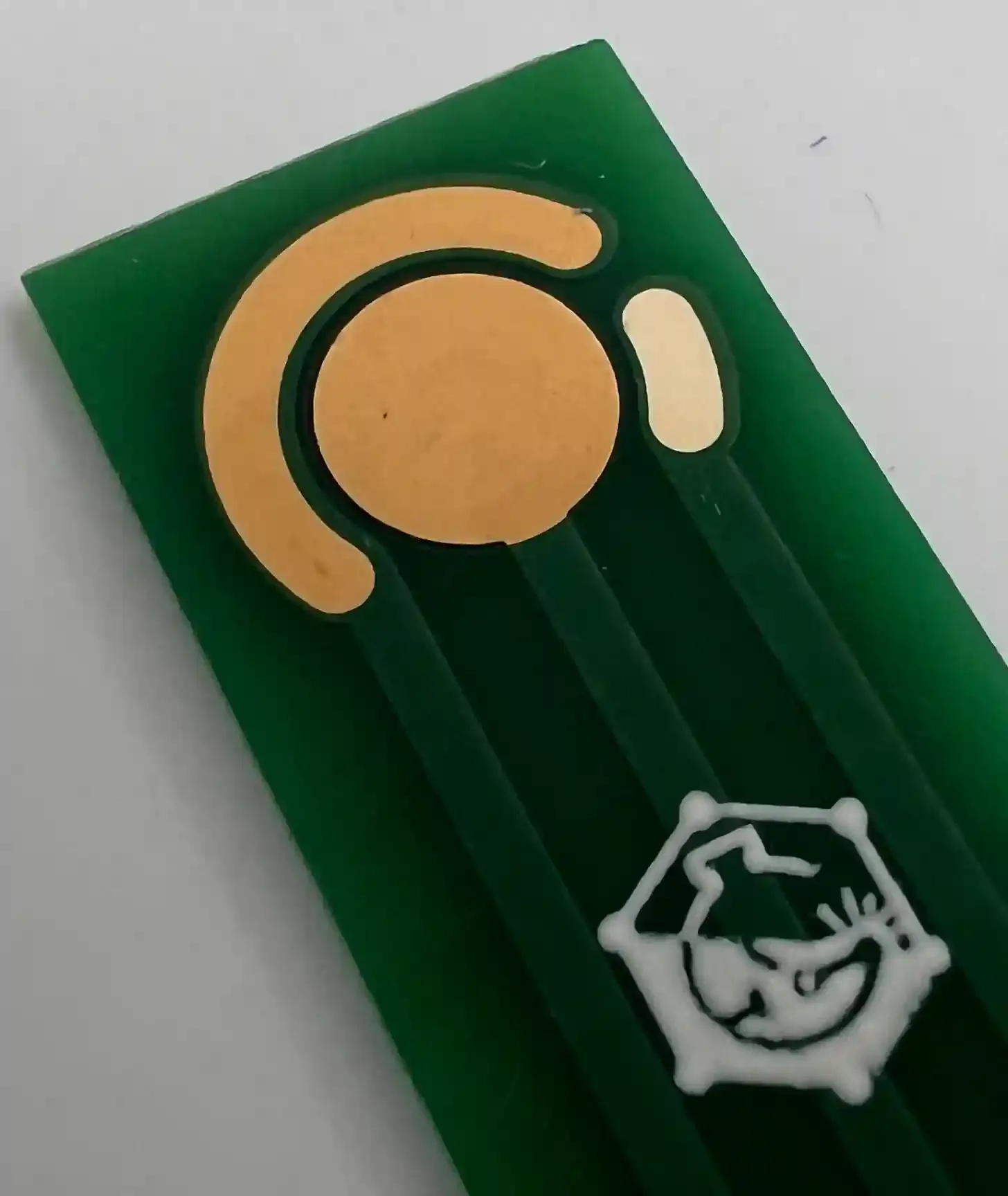
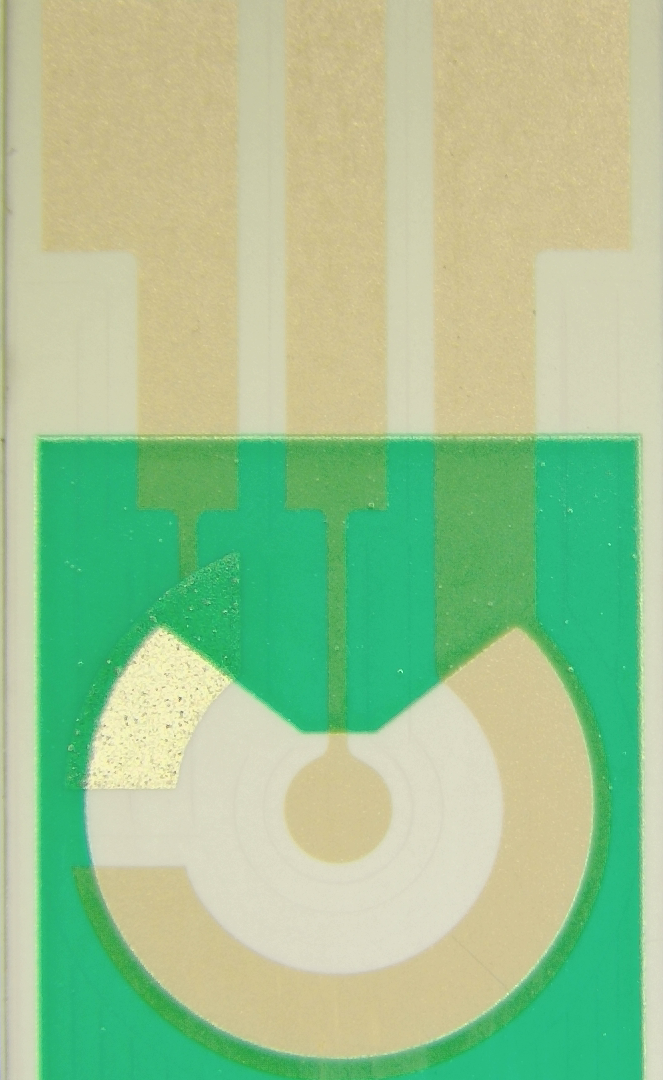
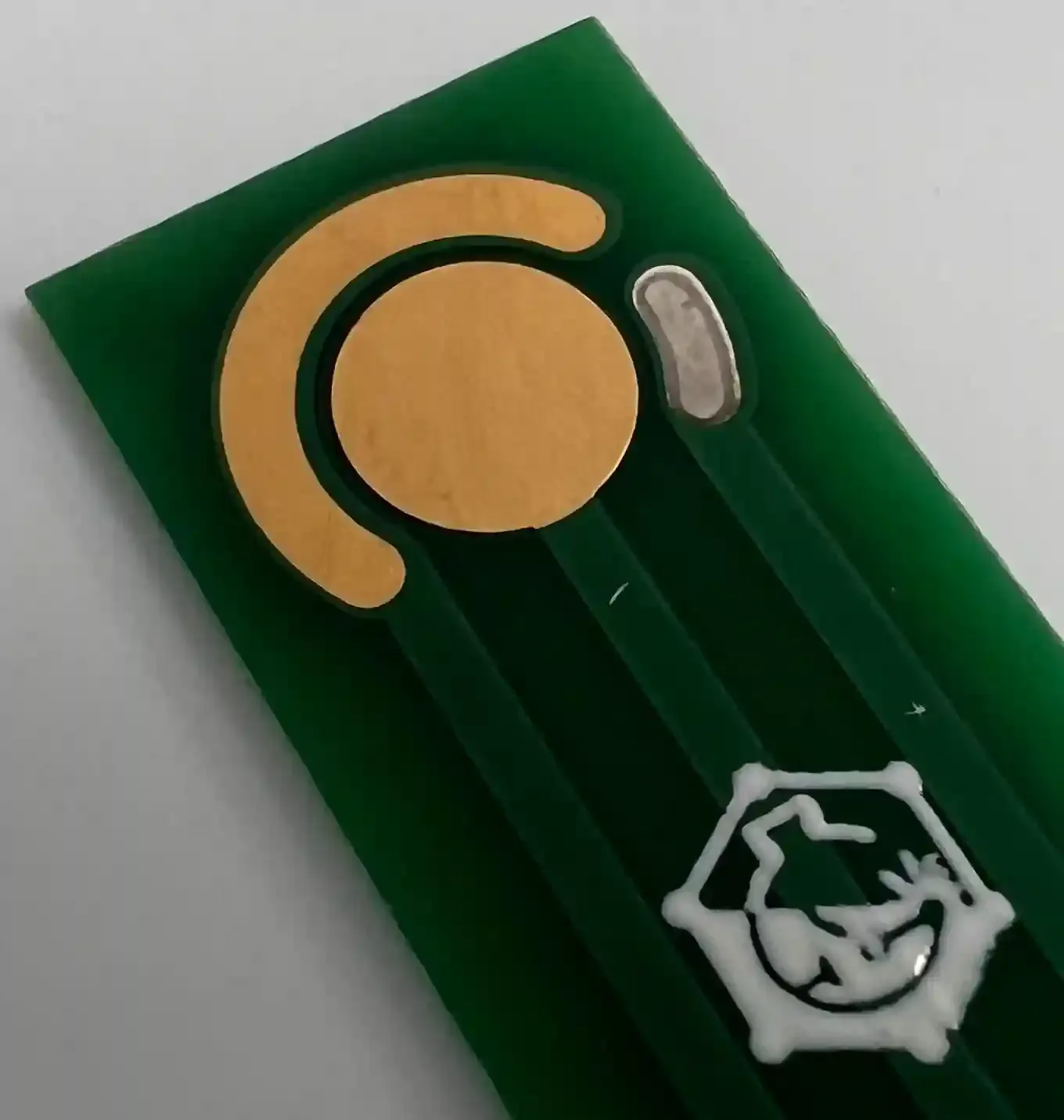
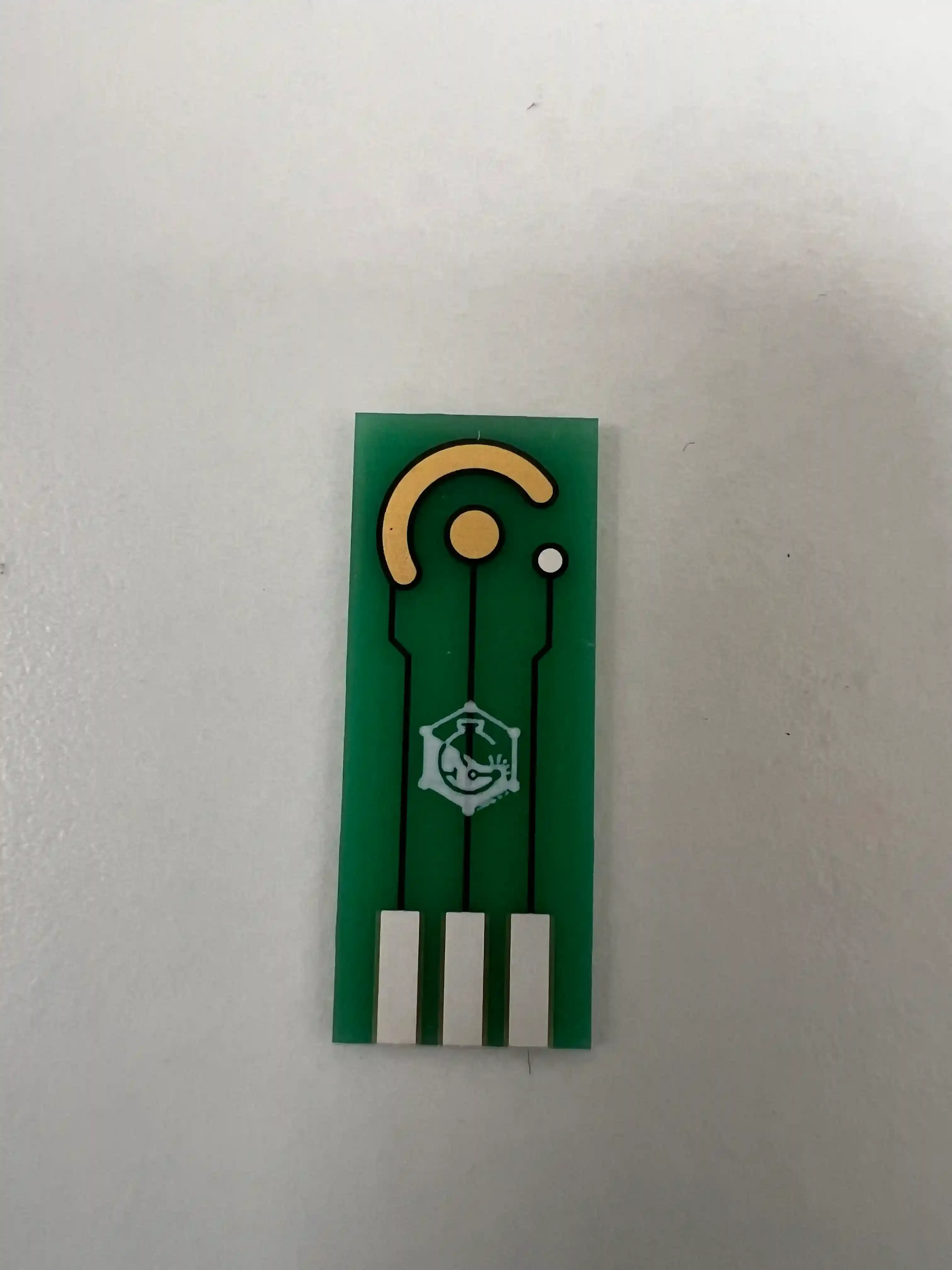
Au/Au/Ag PCB Electrode - 4 mm WE
Price on request
Get pricing and product details from Selectoprobe.
Price: On Request
Gold electrodes are among the most widely used electrochemical biosensor substrates due to their ability to be easily functionalized with thiolated biomolecules. In recent years, various alternative fabrication methods have emerged to simplify production and reduce costs. These methods include screen printing and physical fabrication using commonly available materials, making them highly suitable for biosensor applications.
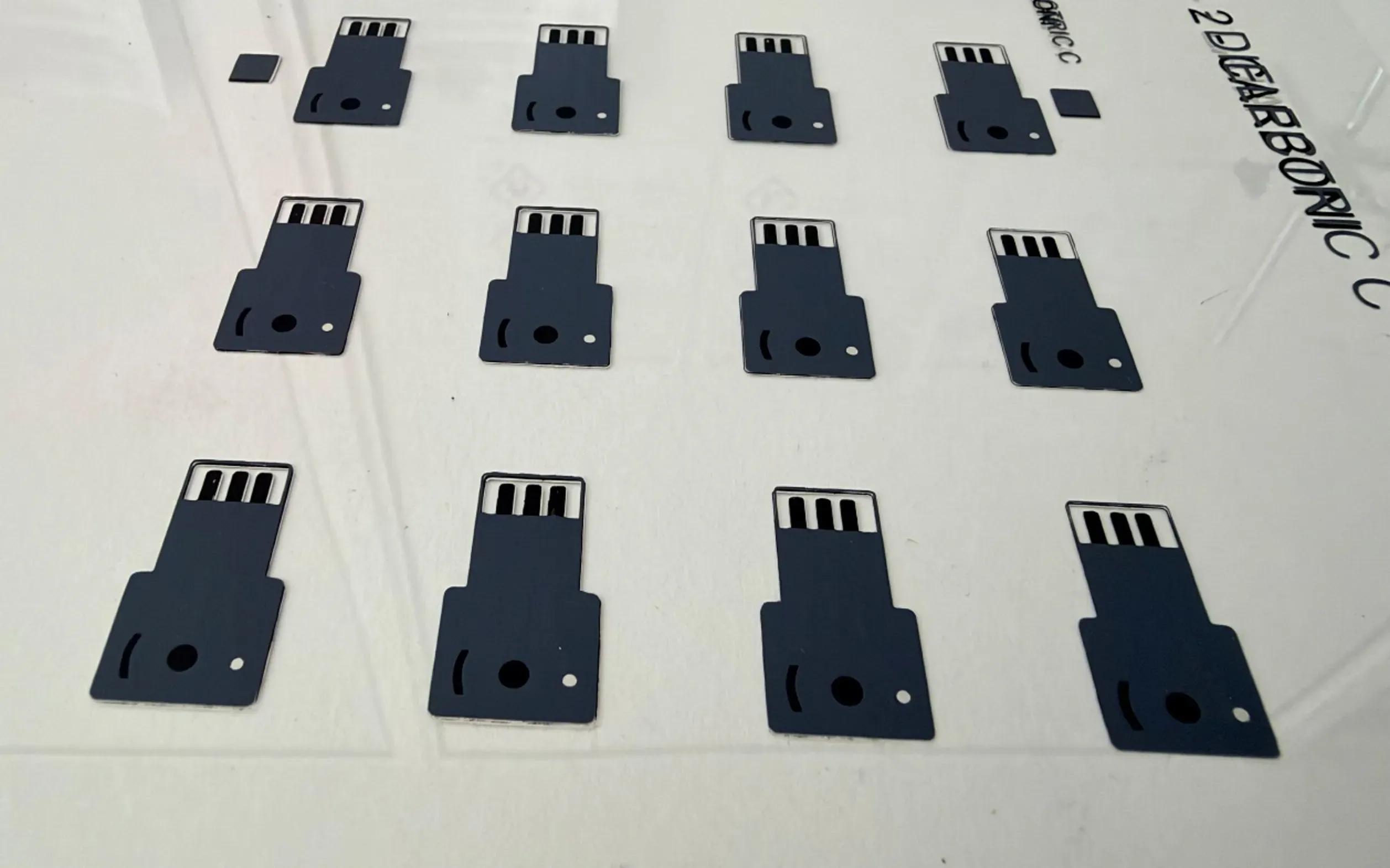
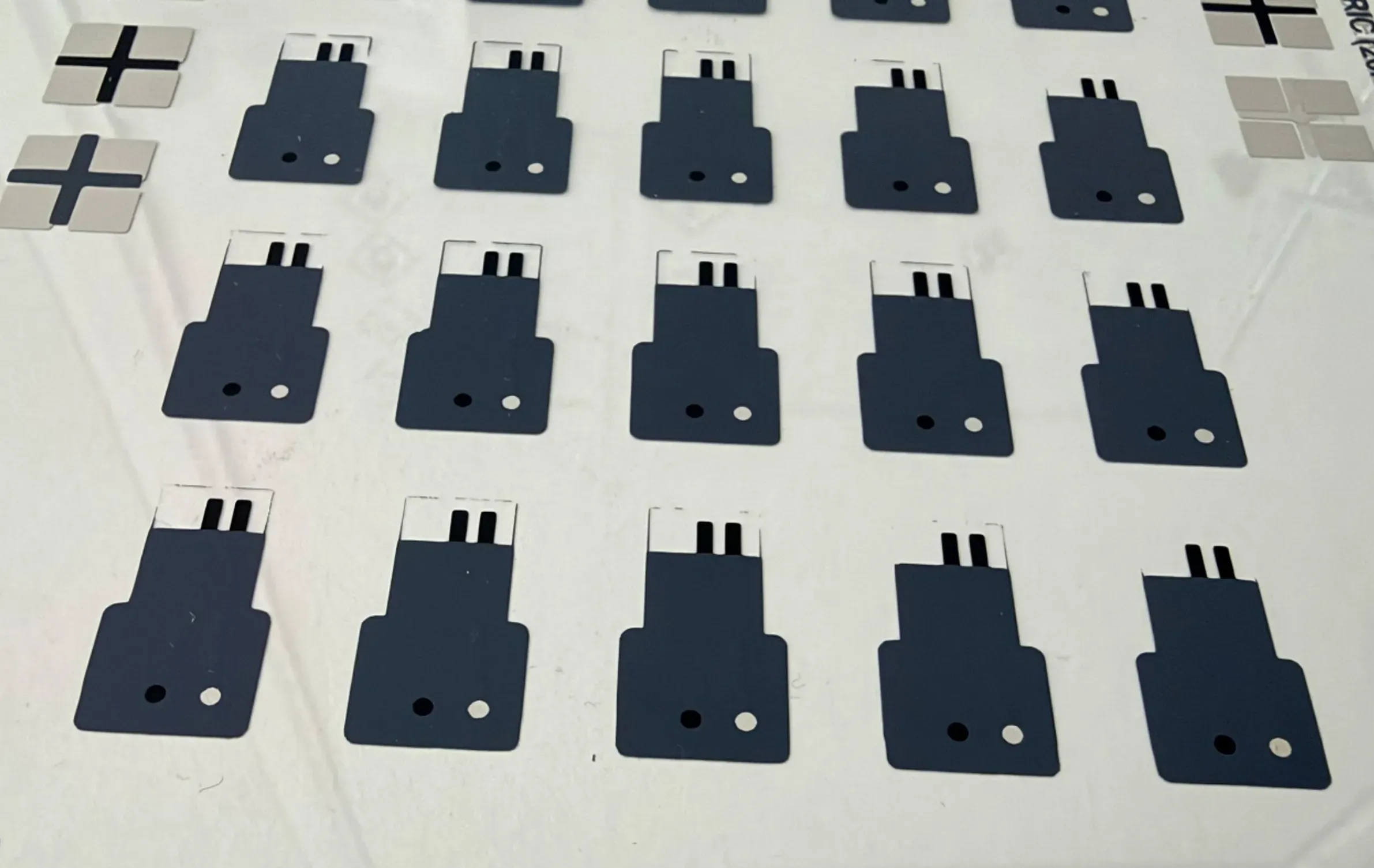
Gold screen-printed electrodes (SPEs) provide a cost-effective alternative to traditional cleanroom-fabricated platforms. The screen-printing process involves depositing metal ink onto a substrate through a patterned mask, which defines the electrode’s shape. This technique is advantageous because it accommodates a wide range of substrate materials, including plastics, polymers, ceramics, and paper, while allowing for flexible electrode design.
SPEs are highly reproducible and can be mass-produced efficiently. Their surfaces can be functionalized to create immuno-, genetic-, and enzymatic sensors, highlighting their versatility for biosensor development. Additionally, by modifying the composition of the gold ink, the surface morphology and roughness of the electrodes can be tailored, further expanding their potential applications in electrochemical sensing.
Applications
Biosensing
Electrode Type / Role
Miniaturized Electrochemical Platform
WE Material
Gold (Au)
CE Material
Gold (Au)
RE Material
Ag/AgCl
WE Form
Circular
WE Diameter (mm)
1.5
Platform Dimensions
09 mm x 21 mm
0 global ratings
Verified Identity
Every review undergoes an email verification process to ensure it originates from a verified industry professional.
Verified Purchase
We manually validate "Verified Purchase" claims by cross-referencing with supplier records or identifying the equipment in peer-reviewed scientific publications.
Transparent Publishing
All verified reviews, whether positive or negative, are published without bias as long as they comply with our community guidelines.
No reviews yet. Be the first to share your thoughts!
Share your experience with this product.
Help the scientific community by sharing research papers that utilize this equipment.
Contact us to add your research.
Price on request

Price: On request

Price on request
Price on request
Price: On request
Price on request
Price on request
Price: On request
Price on request
Price on request