Blog

Practical guides and insights on electrochemistry, equipment, and research.

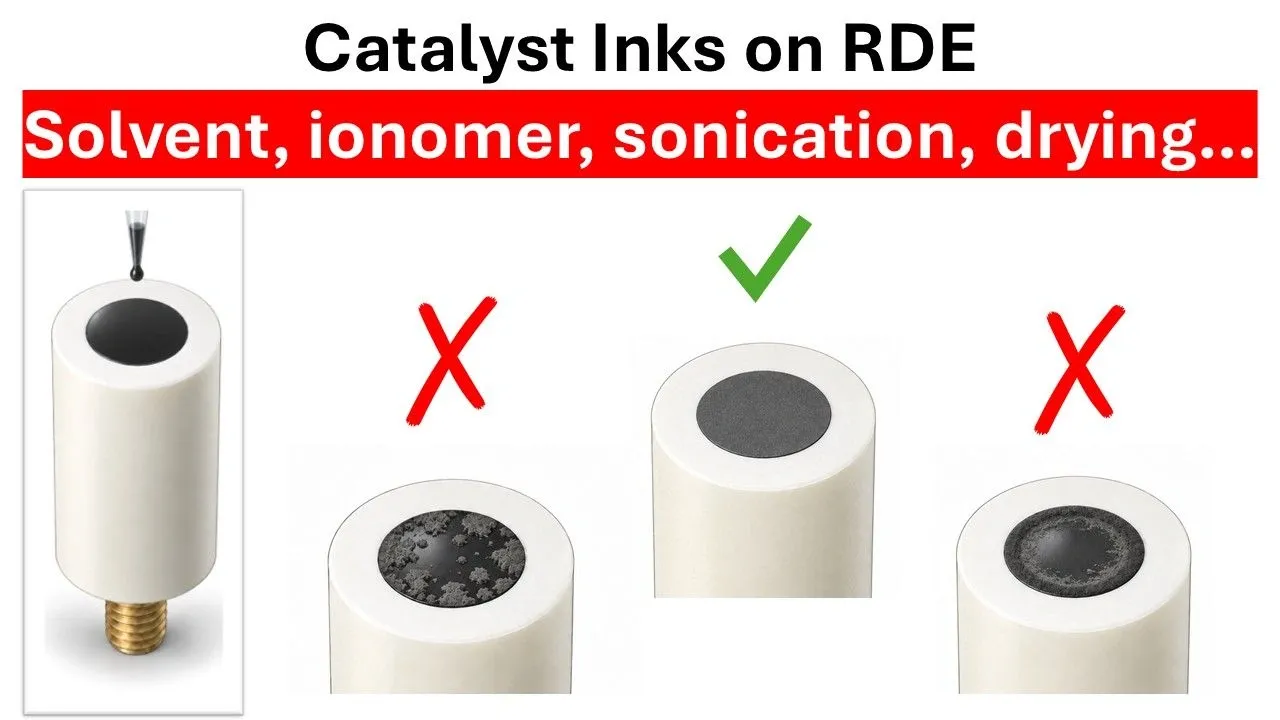
How to Prepare a Catalyst Ink for RDE: Mixing, Sonication and Drying

How to Prepare a Catalyst Ink for RDE: Mixing, Sonication and Drying

How much alcohol and Nafion should you add? How long should you sonicate? Should you dry the film stationary or rotating? We compare RDE film preparation studies and guides, with examples from Pt/C and oxides.

Read more →
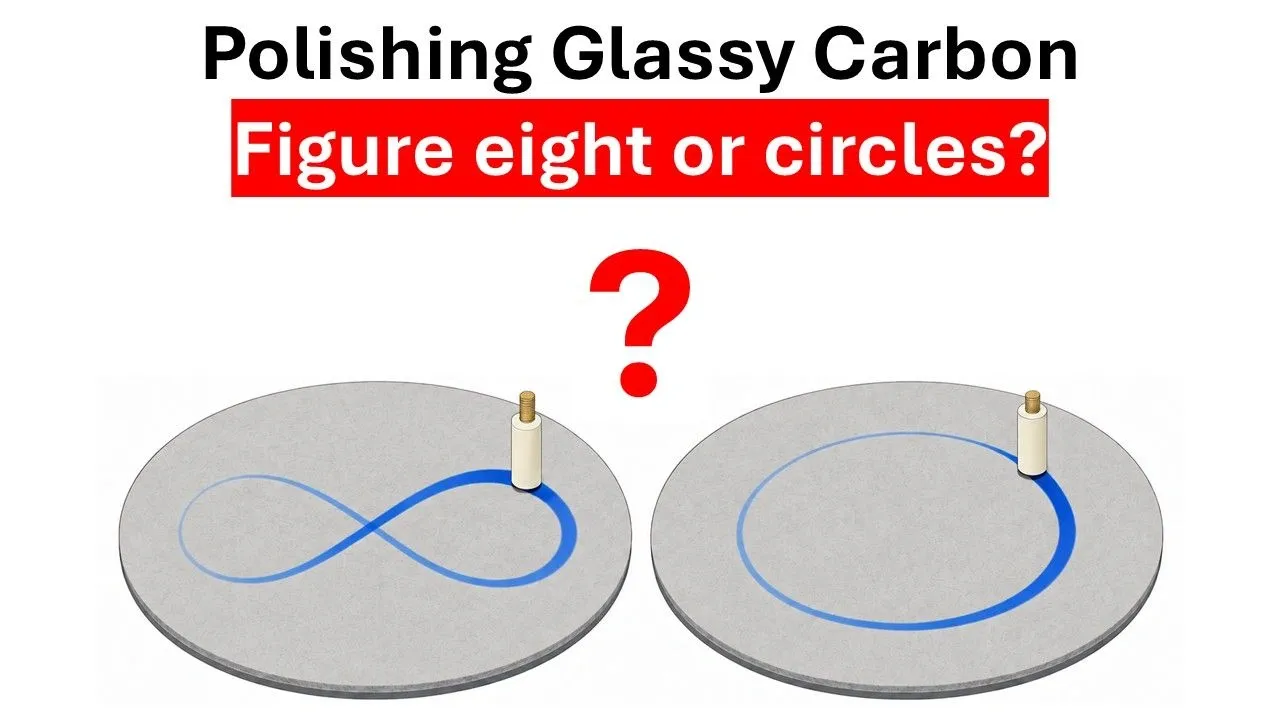
How to Clean and Polish a Glassy Carbon Electrode: Alumina Size and Figure Eights

How to Clean and Polish a Glassy Carbon Electrode: Alumina Size and Figure Eights

A figure-eight motion is only one part of electrode polishing. Learn when to use 1.0, 0.3, or 0.05 µm alumina, how to prevent contamination, and how to verify the result.

Read more →
The effect of temperature on reference electrode potential

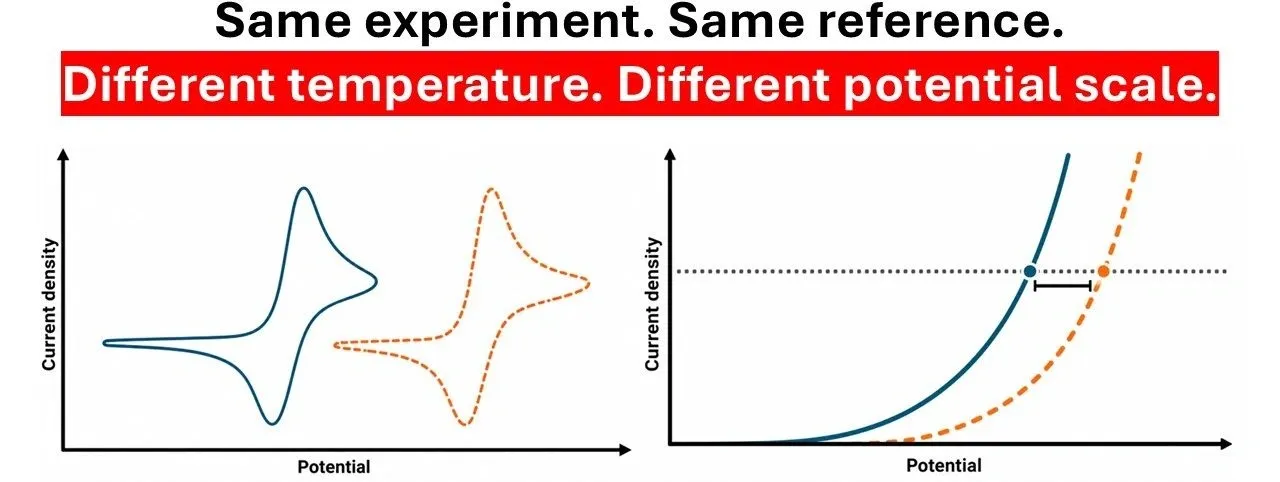
The effect of temperature on reference electrode potential

Reference electrode potentials are tabulated at 25 °C, but few experiments run at exactly 25 °C. How much the potential shifts, why, and what to do about it.

Read more →
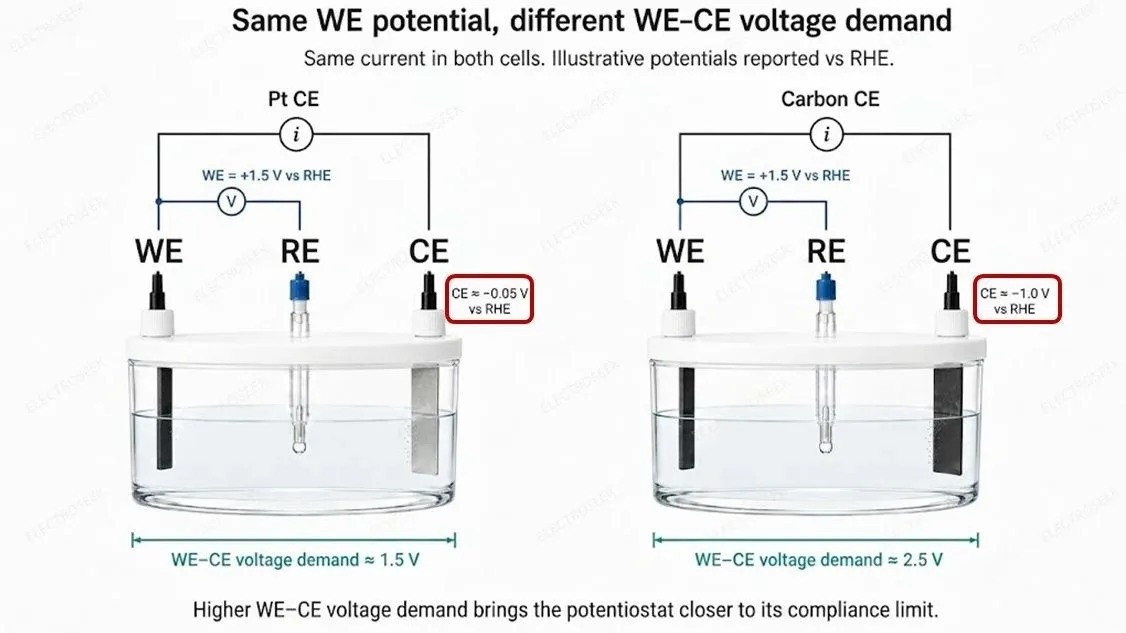
Compliance voltage in potentiostats: what it is and why it can limit your experiment

Compliance voltage in potentiostats: what it is and why it can limit your experiment

Learn how cell resistance, current and counter-electrode behavior determine the compliance voltage your potentiostat needs to maintain control.

Read more →
How Much Does a Potentiostat Cost? (And Why That's the Wrong First Question)

How Much Does a Potentiostat Cost? (And Why That's the Wrong First Question)

A potentiostat can cost from about $50 to over $20,000, but price is the wrong place to start. What really sets the cost is what you need to measure. Here is how it works, tier by tier, and how to pay for fit, not features.

Read more →
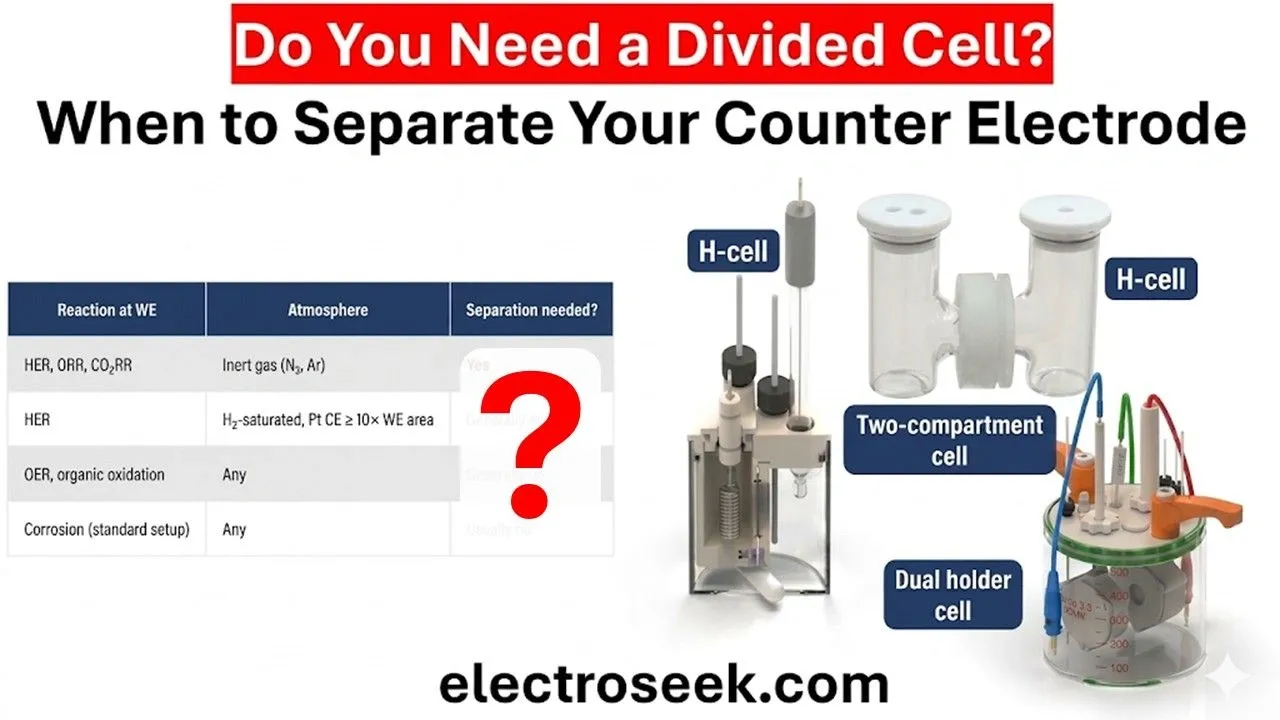
Counter Electrode Separation in Electrochemistry: A Practical Guide to Divided Cells

Counter Electrode Separation in Electrochemistry: A Practical Guide to Divided Cells

Counter electrode contamination in HER, ORR, and CO₂RR experiments is a documented problem with a structural solution. This article explains when compartment separation is necessary, which barrier to use, and which divided electrochemical cells are available for it.

Read more →
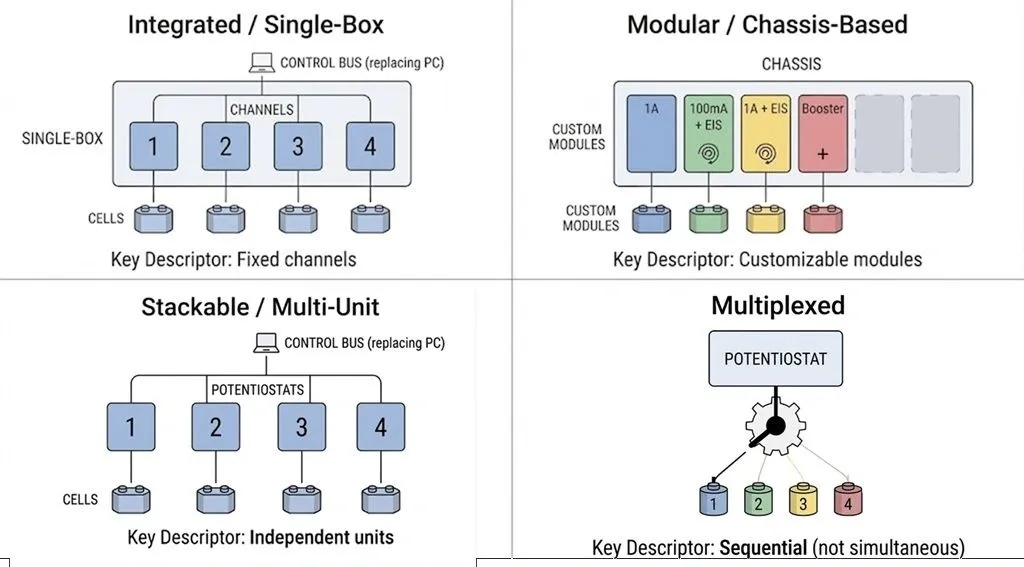
A Guide to Multi-Channel Potentiostats: Types and Architectures

A Guide to Multi-Channel Potentiostats: Types and Architectures

Understand the real meaning of multi-channel potentiostats. Compare architectures (integrated, modular, stackable, multiplexed) and choose correctly.

Read more →
Pseudo-reference Electrodes in Biosensors: The Hidden Source of Potential Drift

Pseudo-reference Electrodes in Biosensors: The Hidden Source of Potential Drift

Your biosensor works perfectly in PBS but drifts in real samples. The reason is not only the biochemistry, but the reference electrode. This article explains how pseudo-reference electrodes introduce hidden variability and how to avoid it.

Read more →
Potentiostats vs Galvanostats: Why we generalize and why it matters

Potentiostats vs Galvanostats: Why we generalize and why it matters

Potentiostat controls potential; galvanostat controls current. Learn the basics and how to choose the right workstation.

Read more →
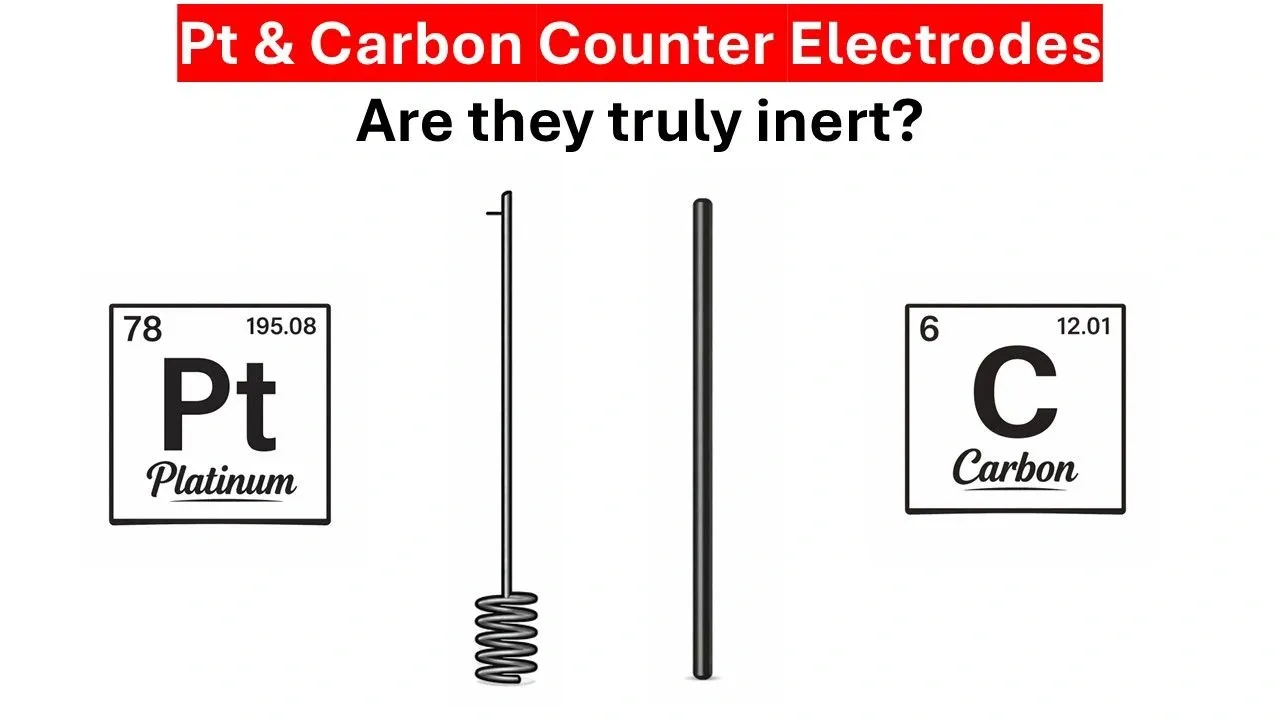
Platinum and Carbon as Counter Electrodes: Limits of Inertness

Platinum and Carbon as Counter Electrodes: Limits of Inertness

Platinum and carbon counter electrodes are not truly inert and can influence electrochemical measurements under demanding conditions. Choosing the right material, surface area, and cell configuration is essential to avoid contamination, side reactions, and loss of potential control.

Read more →
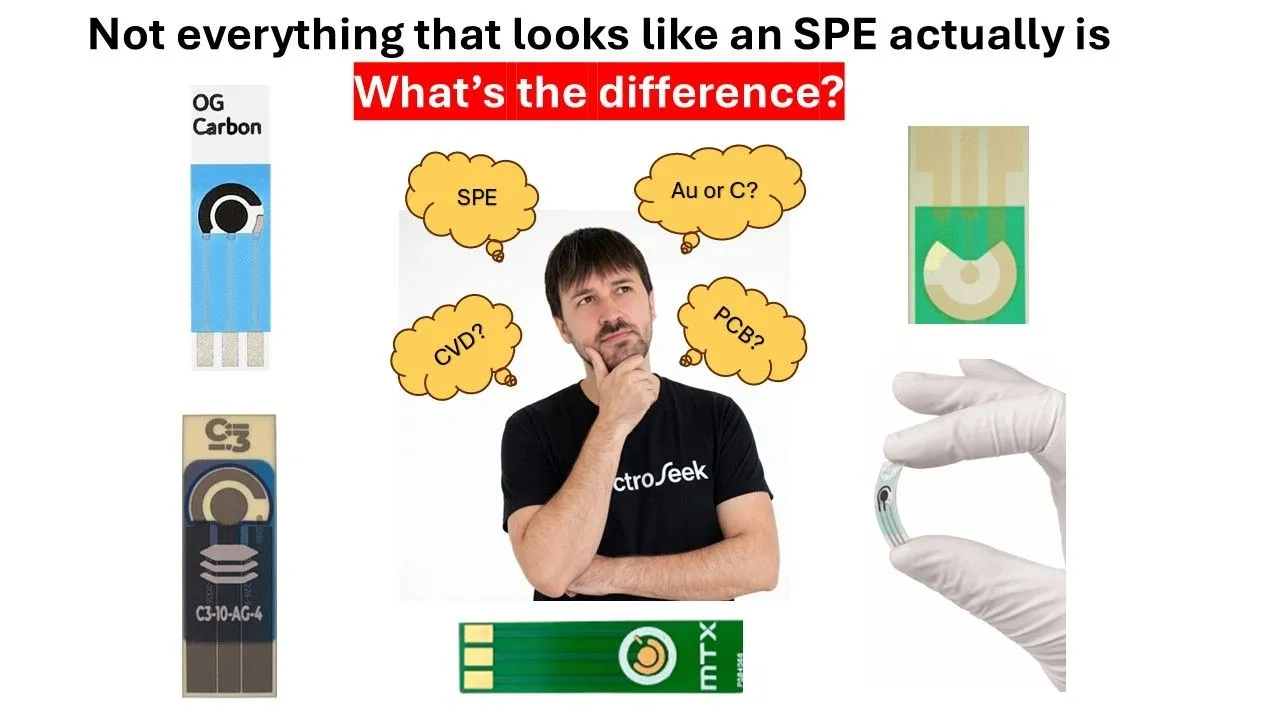
Miniaturized Electrodes in Electrochemistry: From Flexible Screen-Printed to PCB or CVD-Grown Carbon

Miniaturized Electrodes in Electrochemistry: From Flexible Screen-Printed to PCB or CVD-Grown Carbon

Miniaturized electrodes may share the same shape, but they rely on very different materials and fabrication technologies. Understanding these differences is key to choosing the right electrode for your application.

Read more →
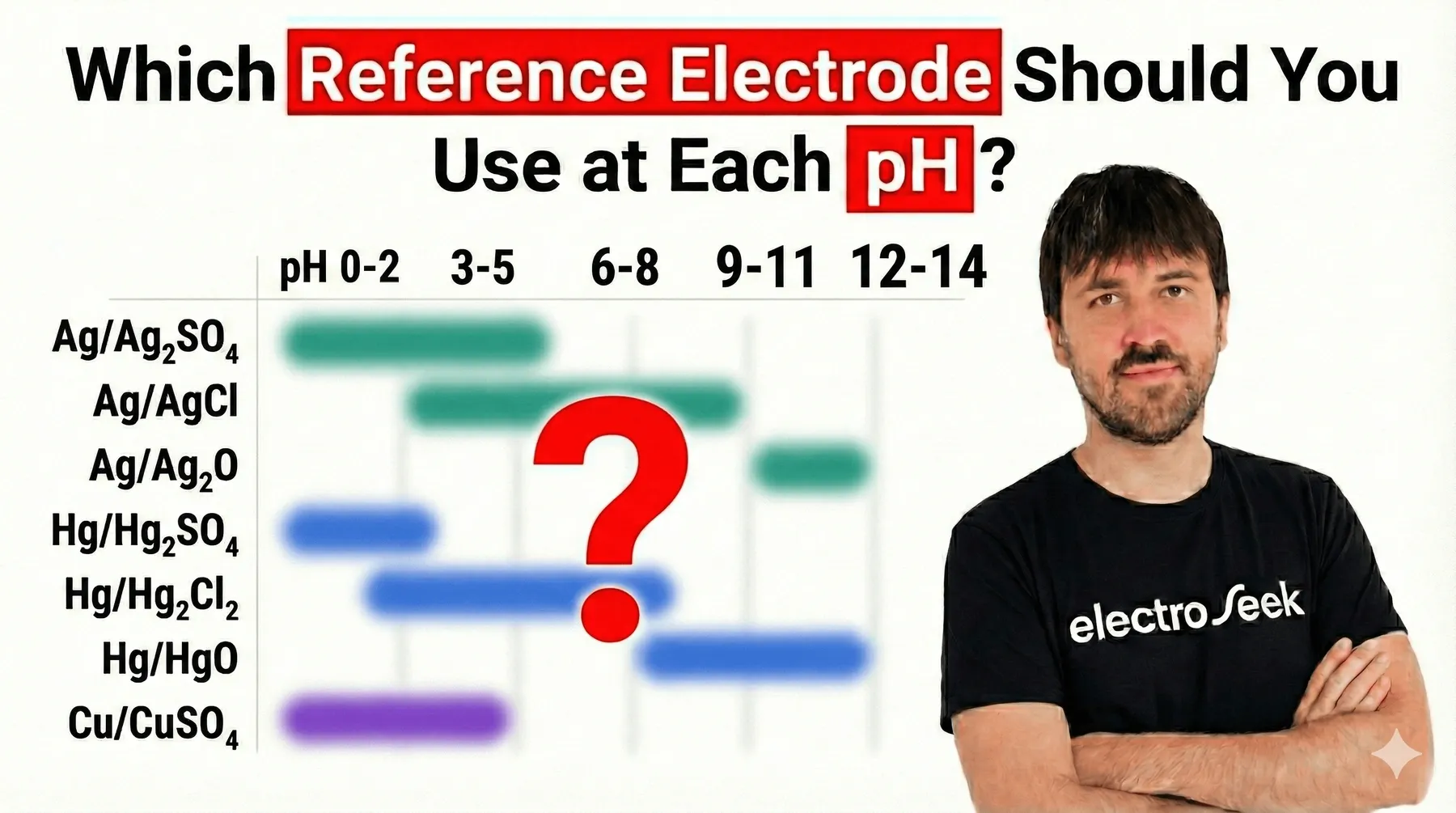
Which Reference Electrode Should You Use? A pH-Based Guide

Which Reference Electrode Should You Use? A pH-Based Guide

A practical overview of how pH affects the stability of common reference electrodes used in aqueous electrochemistry.

Read more →
Which is the best potentiostat?

Which is the best potentiostat?

Choosing a potentiostat is not about finding the best one, but the one that matches your current and future needs in both hardware and software.

Read more →
From hours of searching to building ElectroSeek: less time searching, more time researching

From hours of searching to building ElectroSeek: less time searching, more time researching

Finding the right electrochemistry equipment should take minutes, not days. ElectroSeek helps you compare, discover, and understand products across brands, all with expert guidance when you need it most.

Read more →