
Standard electrochemical cells
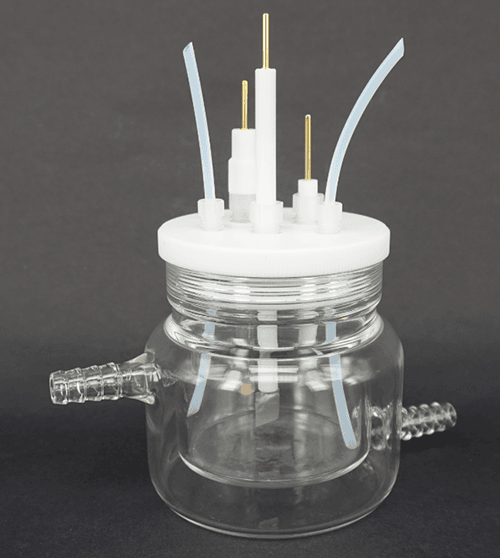
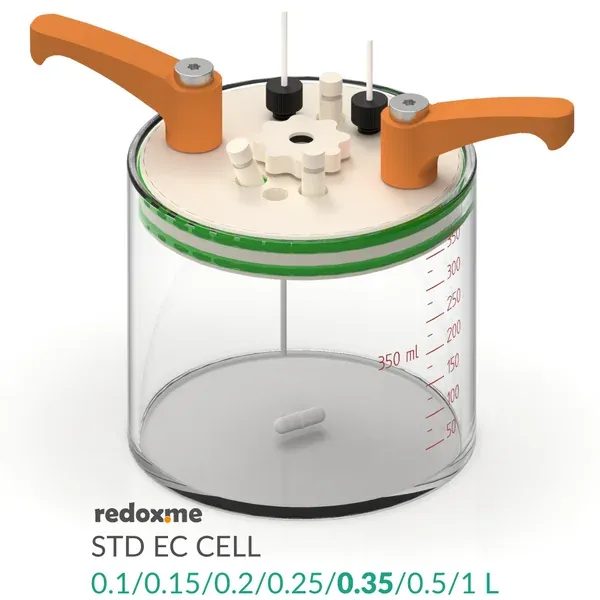
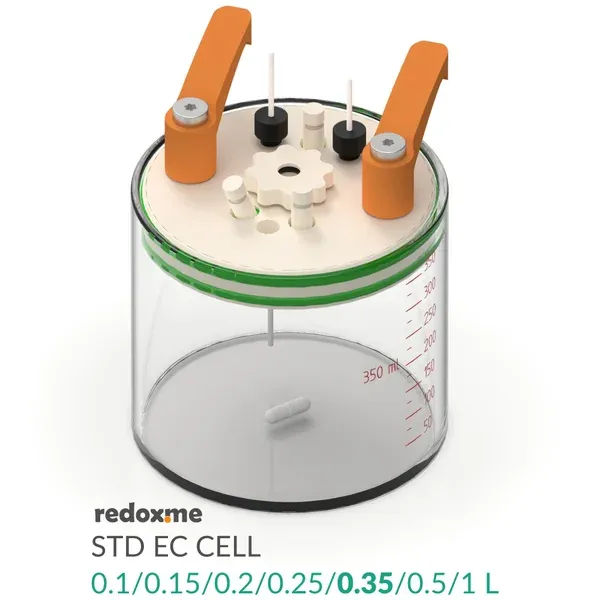
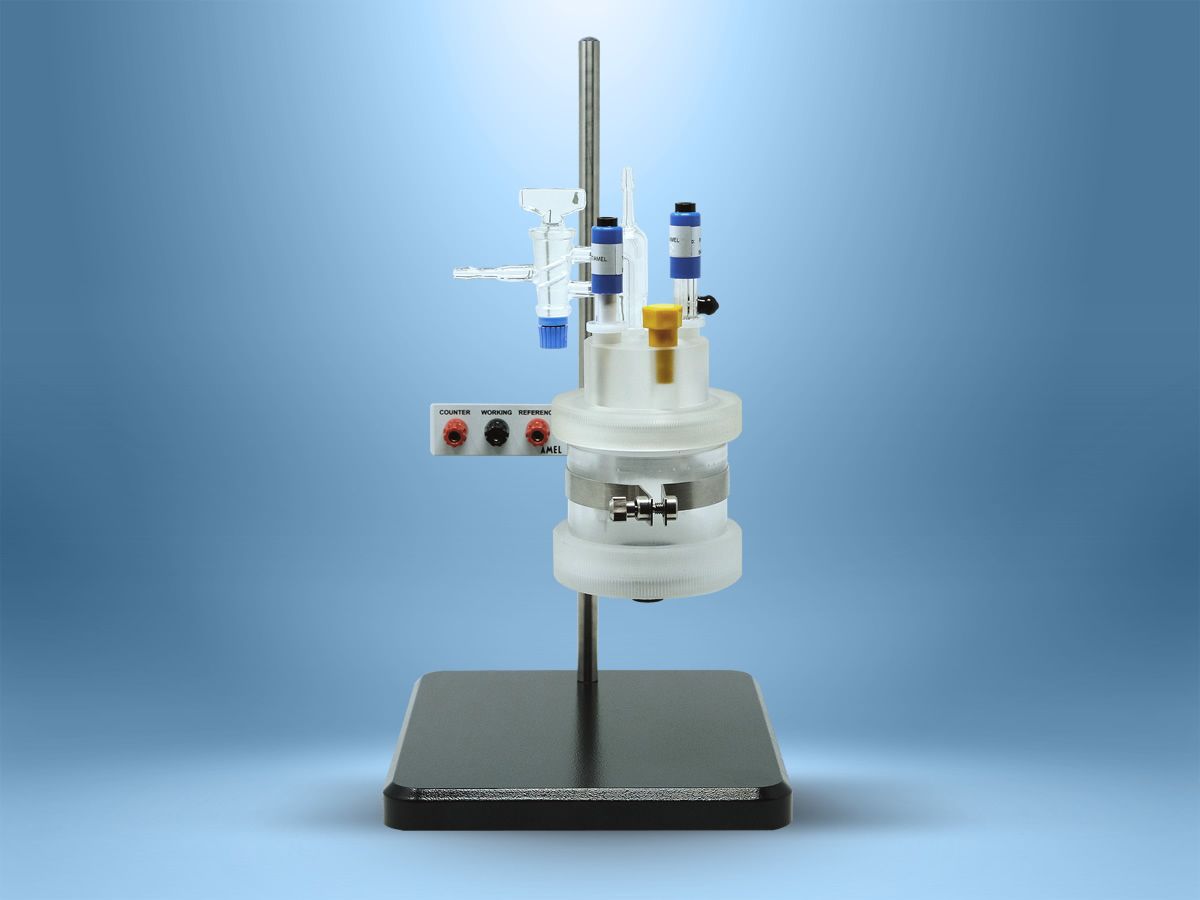
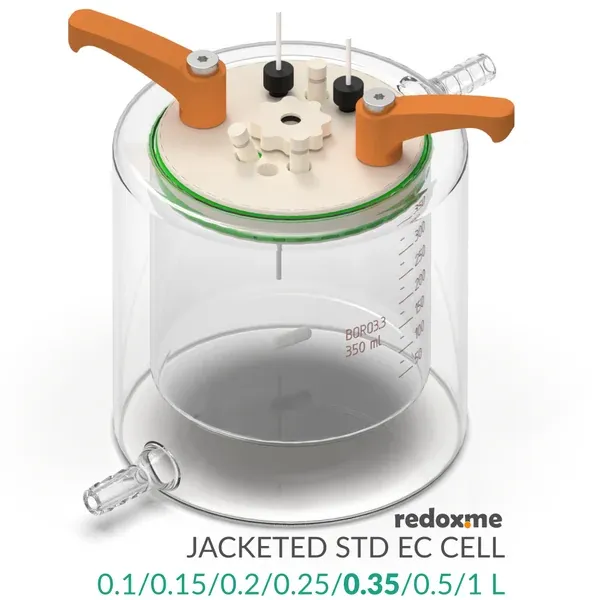
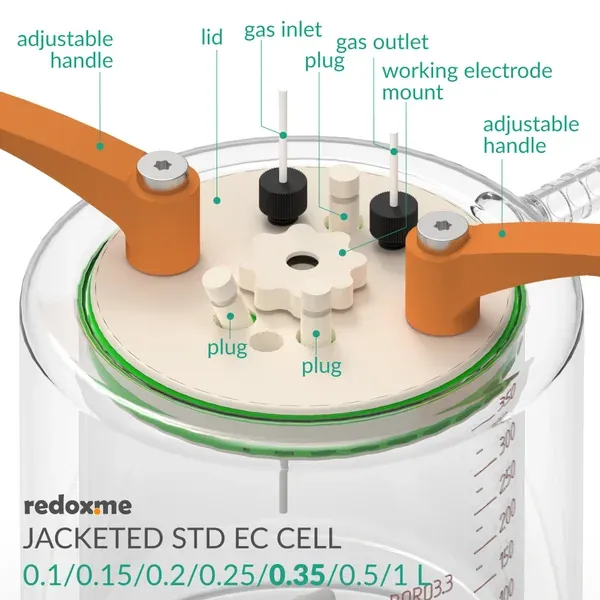
Sealed Jacketed glass cell
Price on request
Get pricing and product details from Redoxme.
Price: On Request
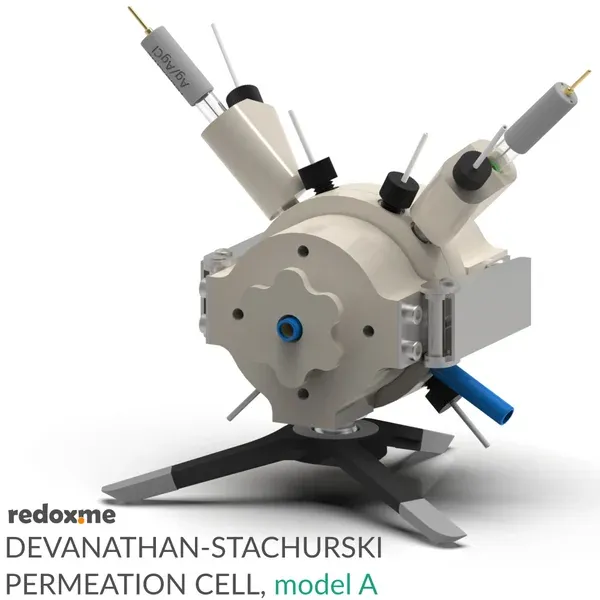
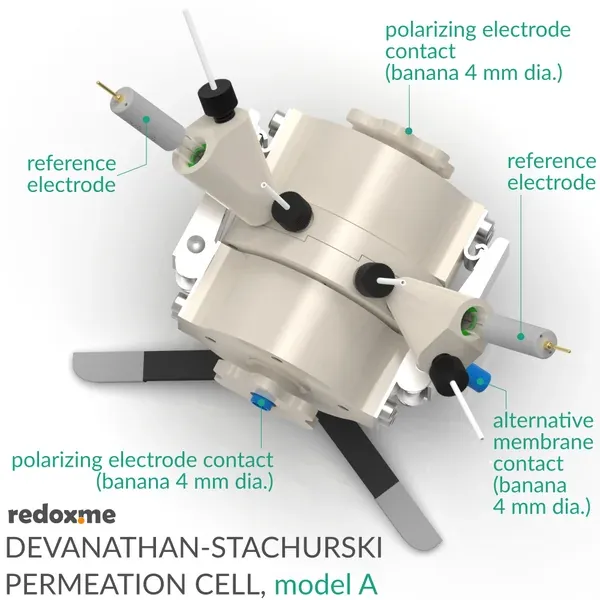
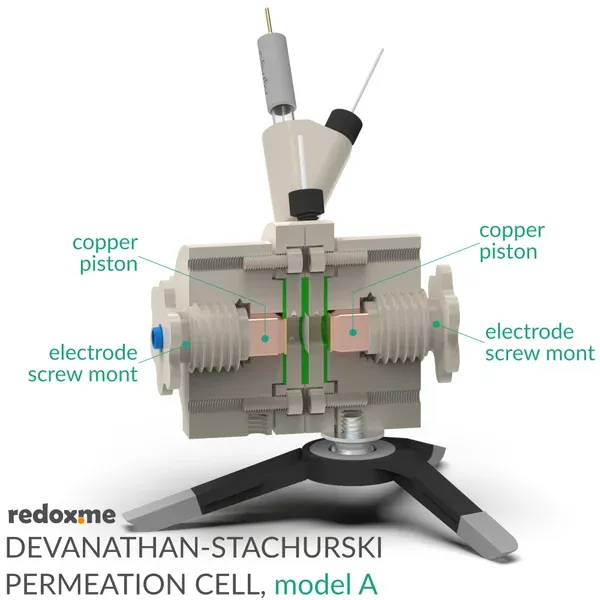
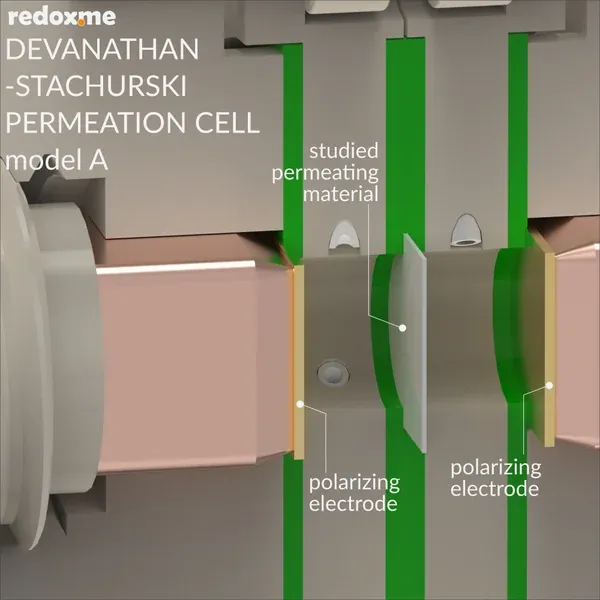
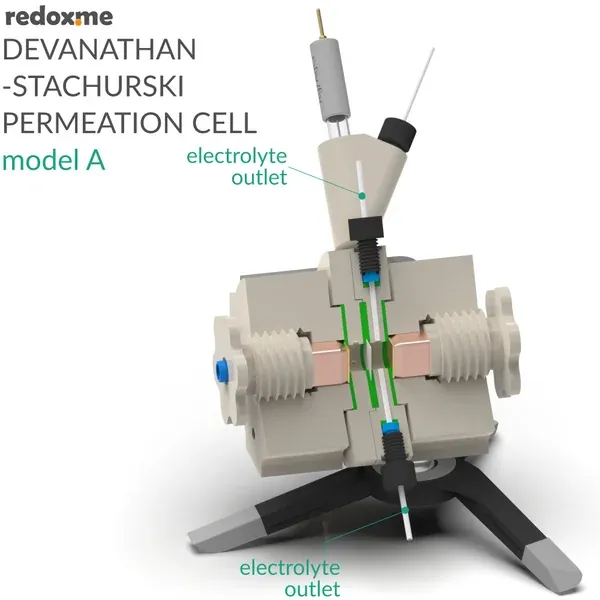
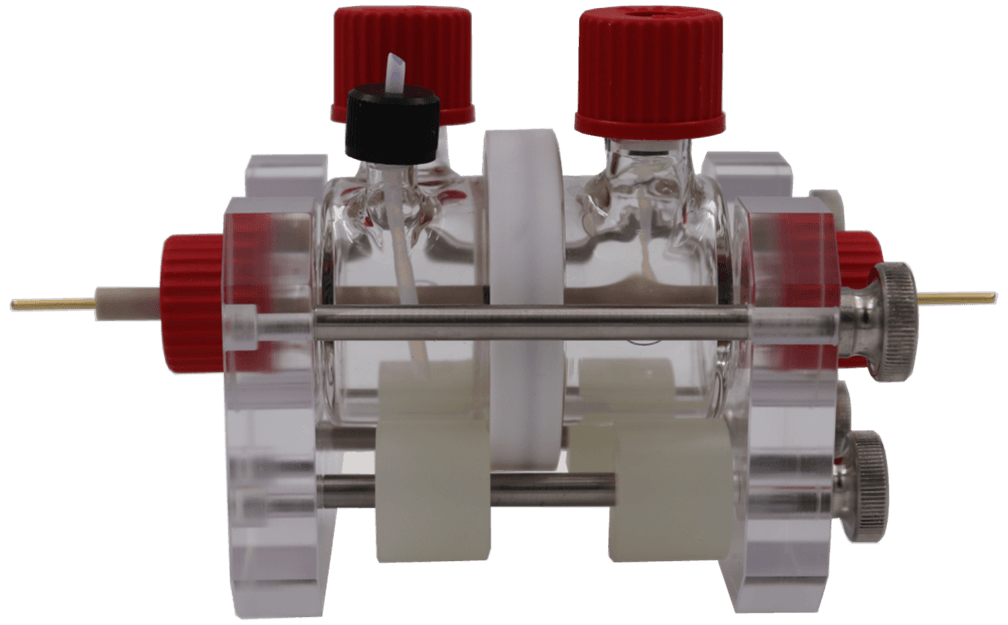
The Devanathan-Stachurski Permeation Cell is an electrochemical double-compartment, four-electrode setup compliant with ISO 17081:2014. Typically used to investigate hydrogen permeation in steels and other alloys (diffusion constants, trap site density, trap energies) and to evaluate ion-exchange membranes (gas diffusion coefficient/crossover, solubility, permeability of H2, O2, CO, and H2S). Also supports Impedance Spectroscopy for membrane ionic conductivity in 2- and 4-probe configurations. Luggin capillaries provide ionic connection between permeable material and reference electrodes, minimising ohmic drop. Cell materials (PEEK and fluorinated plastics) are inert to the sample. Compatible with aqueous (FKM O-Rings) and organic solvent (FFKM O-Rings) electrolytes.
Application note For permeation measurements through electronically conductive metal foils, both sides form the working electrodes in separate compartments. One compartment potentiostatically or galvanostatically charges the sample with hydrogen (with optional external reservoir loop); the other anodically oxidises permeating hydrogen and measures the anodic current for direct permeation data. Also used to measure ion-exchange membrane selectivity and conductivity for fuel cells, redox flow batteries, and reverse electrodialysis. Compatible polarising electrodes: noble metal plates, Glassy Carbon plates, Boron-Doped Diamond plates.
Product includes
Cell Body Material
PEEK
O-Ring Material (Aqueous Electrolyte)
FKM
O-Ring Material (Organic Electrolyte)
FFKM
Distance Between Polarizing Electrodes
12 mm
Electrolyte Volume Needed
2 x 0.35 mL
Polarizing Electrode Size
10 mm x 10 mm
Polarizing Electrode Maximum Thickness
4 mm
Chamber Internal Diameter
8 mm
Distance Between Luggin Capillaries
2 mm
Polarizing Electrode Geometrical Surface Area
50.25 mm²
Sample Surface Area Exposed to Electrolyte
2 x 50.25 mm²
Compliant With
ISO 17081:2014
0 global ratings
Verified Identity
Every review undergoes an email verification process to ensure it originates from a verified industry professional.
Verified Purchase
We manually validate "Verified Purchase" claims by cross-referencing with supplier records or identifying the equipment in peer-reviewed scientific publications.
Transparent Publishing
All verified reviews, whether positive or negative, are published without bias as long as they comply with our community guidelines.
No reviews yet. Be the first to share your thoughts!
Share your experience with this product.
Help the scientific community by sharing research papers that utilize this equipment.
Contact us to add your research.
Price on request

Price on request

Price on request

Price: On request

Price on request

Price on request

Price: 112.00 USD
Price on request
Price on request
Price on request